Cracks, dents and holes in plaster walls are common problems in homes and rental properties.
Cracks, dents and holes in plaster walls are common problems in homes and rental properties.
Some are minor cosmetic defects, while others may indicate movement, moisture or a more significant issue behind the surface.
Before repairing a damaged wall, it is important to understand the type of damage and whether the underlying cause has been addressed.
This guide explains common plaster wall problems and how they can be repaired.
Why Do Plaster Walls Crack?
Common causes include:
- Normal building movement.
- Drying and shrinkage.
- Temperature changes.
- Poor previous repairs.
- Water damage.
- Impact damage.
- Movement around doors and windows.
Not every crack is a structural problem, but cracks that are widening, recurring or accompanied by other signs of movement should be investigated.
Common Types of Wall Damage
Hairline cracks
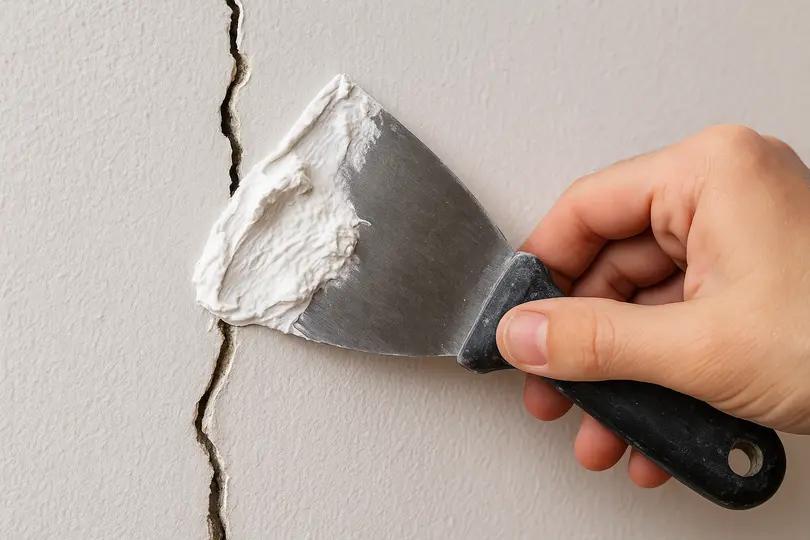
These are often small surface cracks and may be suitable for cosmetic repair once the cause is understood.
Larger cracks
Wider or recurring cracks may require further investigation before filling.
Holes and dents
These can result from furniture, door handles, fixings or accidental impact.
Flaking plaster
Flaking can be associated with moisture, poor adhesion or deteriorating plaster.
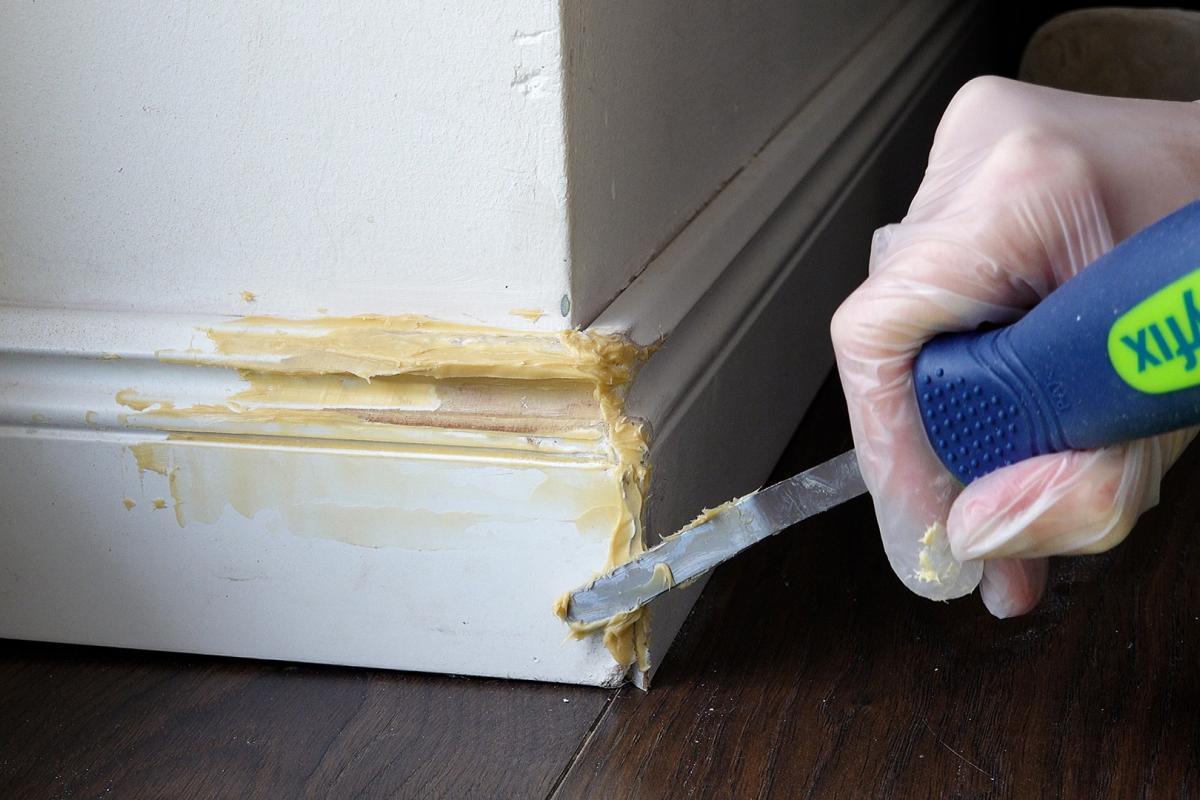
Damaged corners
Wall corners can become chipped through everyday use and may require more substantial filling and shaping.
How Are Minor Plaster Cracks Repaired?
A typical cosmetic repair may involve:
- Inspecting the crack.
- Removing loose or unstable material.
- Preparing the surface.
- Applying a suitable filler or repair compound.
- Allowing the material to dry.
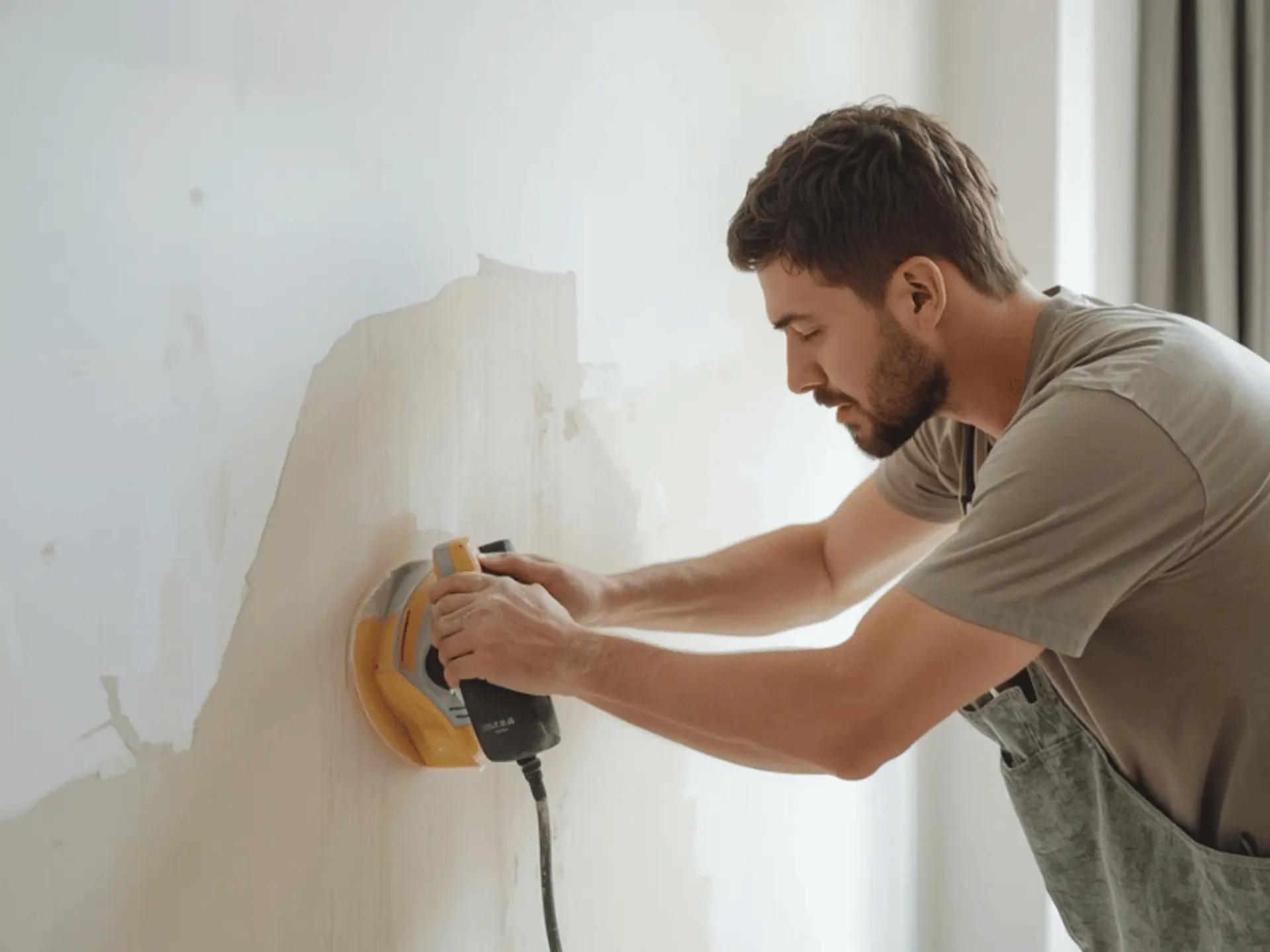
- Sanding the repaired area.
- Applying a suitable primer and paint finish.
The correct materials depend on the depth and nature of the damage.
Can You Repair a Hole in a Plaster Wall?
Small holes can often be repaired using suitable filler.
Larger holes may require backing support, additional materials or replacement plasterboard.
The surface should be properly prepared to achieve a smooth finish.
When Should You Investigate a Crack Further?
Seek appropriate professional assessment if:
- The crack is widening.
- Several cracks appear suddenly.
- Doors or windows become difficult to operate.
- There is visible water damage.
- The wall is bulging.
- Cracks repeatedly return after repair.
Do not simply fill a crack if the underlying cause remains unresolved.
How to Prepare Walls Before Painting
Once repairs are complete:
- Allow the repair material to dry.
- Sand the surface where appropriate.
- Remove dust.
- Prime repaired areas if required.
- Apply a suitable paint finish.
Good preparation is essential for a consistent final appearance.
Frequently Asked Questions
Can I paint directly over a repaired wall crack?
The repair should be fully dry, properly prepared and primed where required before painting.
Why do cracks appear above doors?
Movement and stress around openings can contribute to cracking. Recurring or significant cracks should be assessed.
Can I repair plaster myself?
Small cosmetic defects may be suitable for DIY repair, but larger or recurring damage may need professional attention.
Why does plaster start flaking?
Possible causes include moisture, poor adhesion and deterioration of the plaster surface.
Do I need to replaster the whole wall?
Not always. Localised damage may be repairable without replacing the entire wall finish.
Conclusion
Cracked and damaged plaster does not always require extensive work. Identifying the cause and selecting suitable repair materials can restore the appearance of many interior walls.
BuilderFix Refurb can discuss suitable wall repair, preparation and home refurbishment work in London.
Related Services