Skirting boards and interior woodwork are regularly exposed to knocks, furniture movement, vacuum cleaners and general household wear.
Skirting boards and interior woodwork are regularly exposed to knocks, furniture movement, vacuum cleaners and general household wear.
Over time, they can become chipped, scratched, cracked or loose.
In many cases, damaged skirting boards can be repaired without replacing the entire length.
This guide explains common woodwork problems and the options available for restoring their appearance.
Common Skirting Board Problems
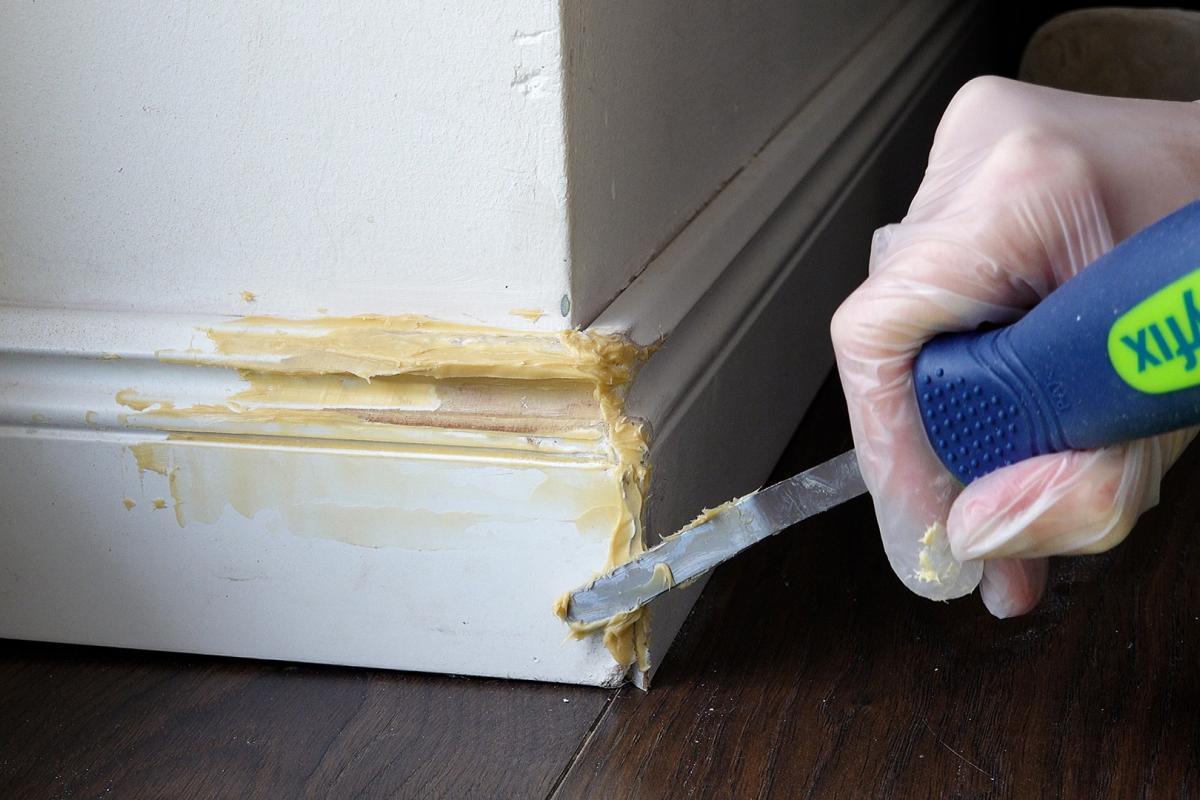
Chipped edges
Corners and exposed edges are particularly vulnerable to impact.
Scratches and dents
Furniture and cleaning equipment can leave visible marks.
Loose skirting boards
Fixings or adhesive may deteriorate, causing sections to move away from the wall.
Cracked joints
Gaps may develop where two sections meet or where the skirting meets another surface.
Peeling paint
Poor preparation, moisture or everyday wear can cause the finish to deteriorate.
How Can Damaged Skirting Boards Be Repaired?
1. Inspect the damaged section
Check whether the damage is cosmetic or whether the timber or MDF has deteriorated.
2. Remove loose material
Loose paint, filler and damaged surface material should be removed carefully.
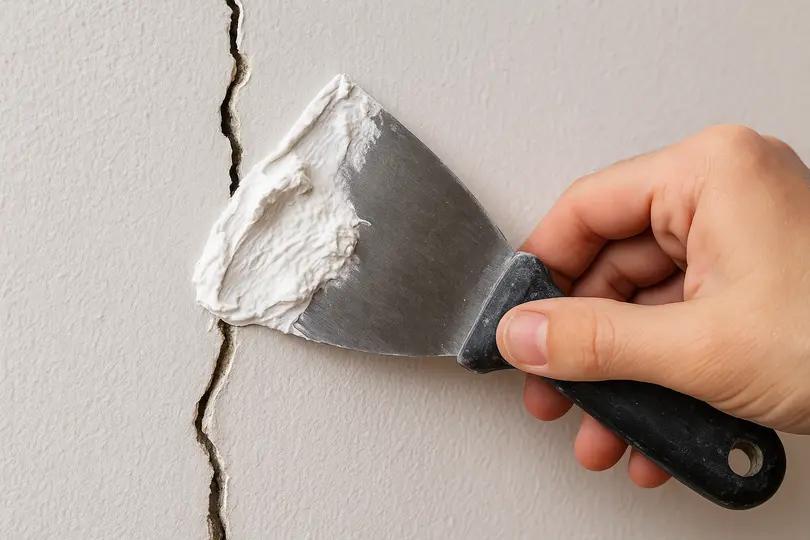
3. Fill minor damage
Suitable wood filler or repair compounds may be used for small chips and dents.
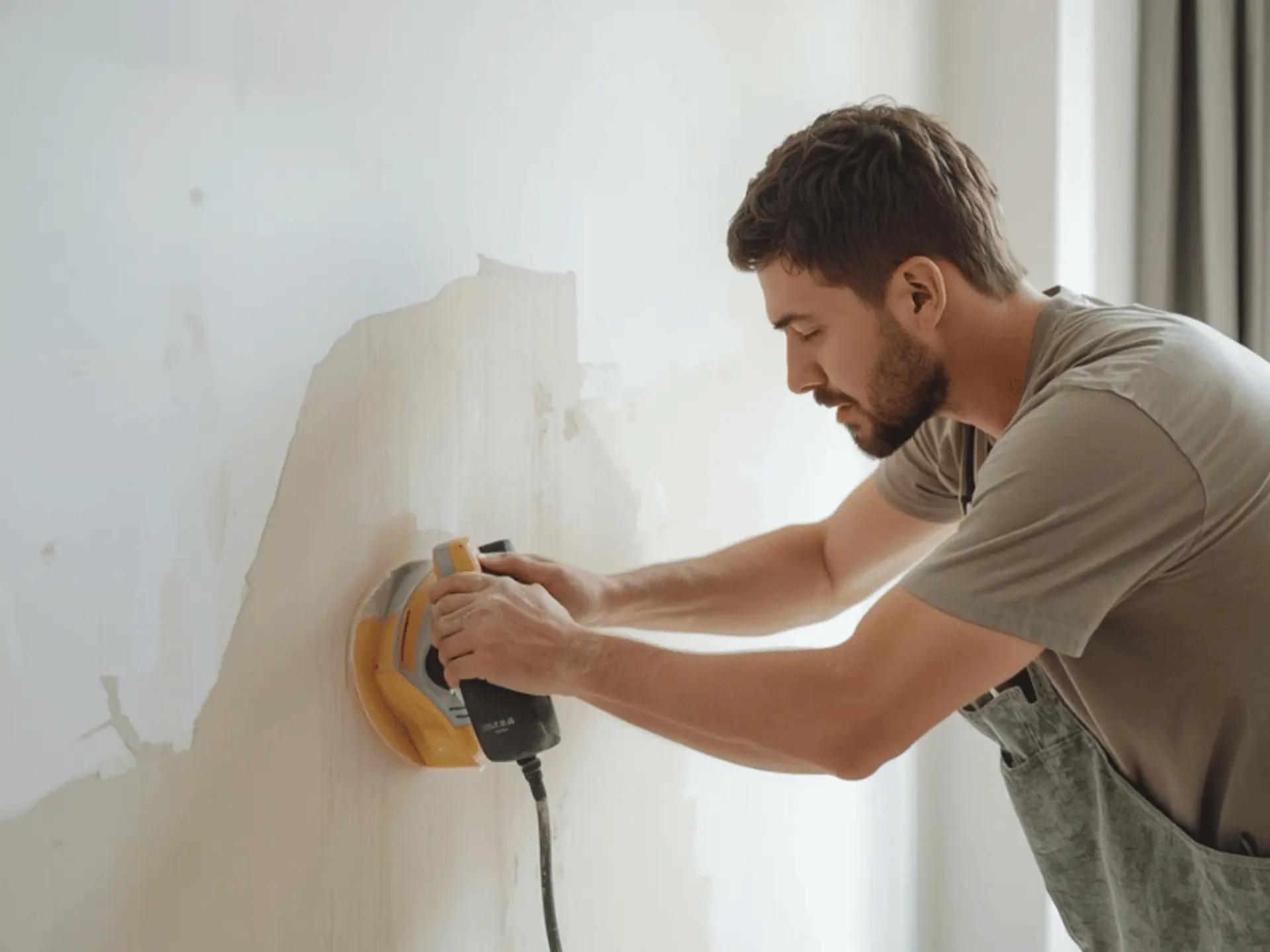
4. Sand the surface
Once the repair material has dried, prepare the area to create a smooth finish.
5. Refix loose sections
Where the skirting has become loose, the fixing method should be checked and repaired appropriately.
6. Repaint the woodwork
After preparation, a compatible primer and woodwork paint can restore the finish.
When Should Skirting Boards Be Replaced?
Replacement may be more suitable when:
- The material is badly damaged.
- There is extensive moisture deterioration.
- Large sections have broken.
- The profile is badly distorted.
- Repairs would be more extensive than replacement.
Can You Repair MDF Skirting Boards?
Yes, some minor cosmetic damage can be repaired.
However, MDF that has swollen significantly due to moisture may not be suitable for a reliable surface repair.
The source of moisture should be addressed before any new finish is applied.
How to Maintain Interior Woodwork
- Clean surfaces using suitable products.
- Avoid repeated impacts.
- Check loose sections.
- Repair chips before they worsen.
- Address moisture problems.
- Maintain painted finishes where needed.
Frequently Asked Questions
Can chipped skirting boards be repaired?
Small chips and dents can often be filled, sanded and repainted.
Can I repair a loose skirting board without replacing it?
Often, yes. The fixing method and condition of the material should be checked first.
Why is my MDF skirting board swelling?
Moisture exposure is a common cause. Water may have entered through the surface, edges or joints.
Can I paint over damaged skirting boards?
Damaged areas should be properly prepared and repaired before painting.
Is it cheaper to repair or replace skirting boards?
For minor damage, repair may be more economical. Extensive deterioration may make replacement more practical.
Conclusion
Damaged skirting boards and interior woodwork can often be improved through careful repair and preparation. The best solution depends on the condition of the material and the extent of the damage.
BuilderFix Refurb can discuss interior woodwork repairs, preparation and painting in London.
Related Services