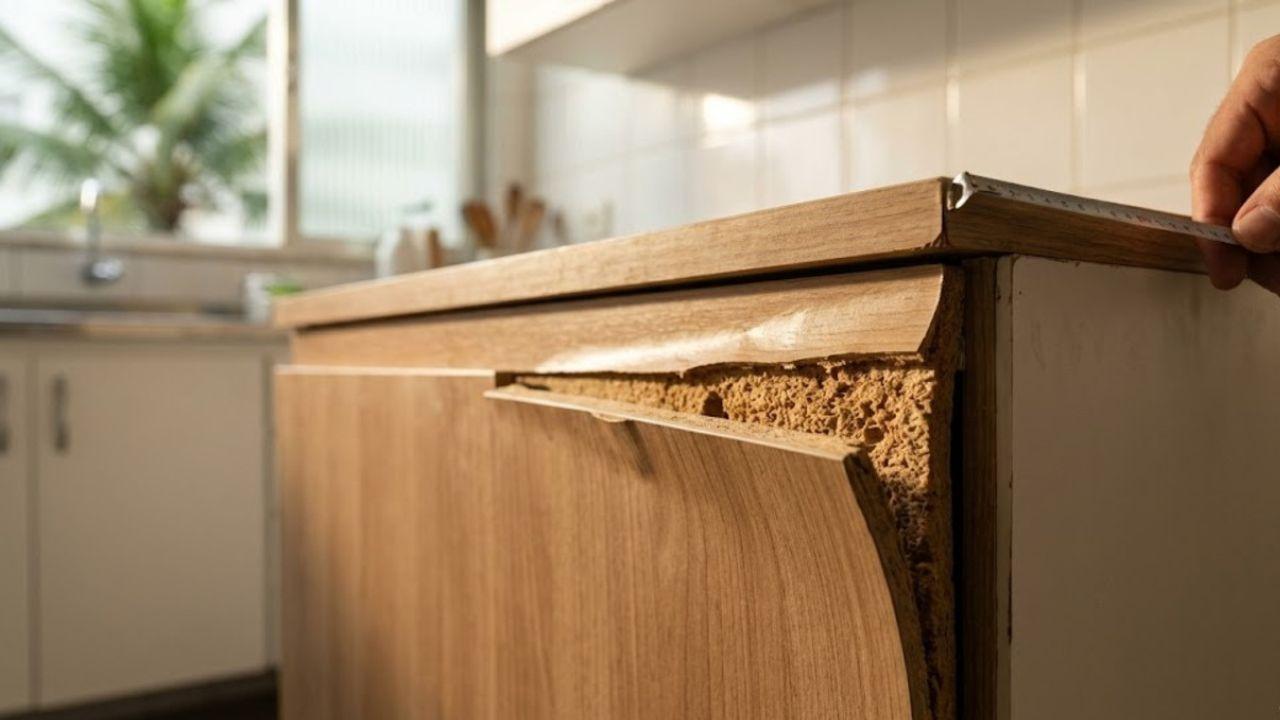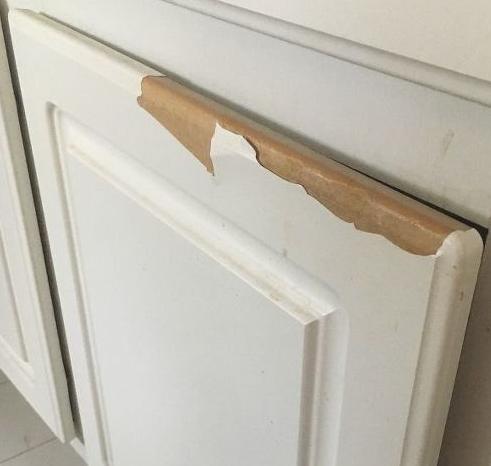
Peeling kitchen cupboard doors can make an otherwise tidy kitchen look old and poorly maintained. The good news is that you may not need to replace your entire kitchen.
Peeling kitchen cupboard doors can make an otherwise tidy kitchen look old and poorly maintained. The good news is that you may not need to replace your entire kitchen. Depending on the type of door, the extent of the damage and the condition of the underlying material, it may be possible to repair or refurbish the affected doors.
In this guide, we explain why kitchen cupboard doors peel, how to identify the problem and which repair options are worth considering.
Why Do Kitchen Cupboard Doors Start Peeling?
Kitchen cupboard doors are exposed to heat, steam, moisture, grease and frequent cleaning. Over time, these conditions can weaken the materials and adhesives used in their construction.
Common causes include:
- Heat exposure: Steam from kettles, ovens and dishwashers can affect laminate and vinyl finishes.
- Poor adhesion: The original adhesive may deteriorate over time.
- Moisture damage: Water entering the edges can cause the surface layer to lift.
- Age and wear: Older cupboard doors may naturally deteriorate.
- Cleaning products: Harsh chemicals can damage certain decorative finishes.
Can Peeling Kitchen Doors Be Repaired?
Yes, in some cases. The correct repair depends on the type of door and the extent of the damage.
1. Minor peeling
If only a small area has lifted and the material underneath is dry and undamaged, a suitable repair may be possible.
2. Loose laminate or decorative film
Where the surface layer is lifting, a specialist may be able to assess whether it can be re-bonded or whether a new finish is more appropriate.
3. Extensive peeling
If the finish has separated across large areas, or the door material has swollen, replacement may provide a more reliable result.
4. Repainting or refinishing
Some kitchen doors can be prepared and painted, but not every laminate or wrapped surface is suitable. Proper preparation and compatible products are essential.
Should You Repair or Replace the Doors?
Consider repair when the damage is localised and the door remains structurally sound.
Consider replacing the door when the material has swollen, the finish is badly damaged or previous repairs have failed.
You should also check whether matching replacement doors are available.
How Can You Prevent Kitchen Door Peeling?
- Use an extractor fan when cooking.
- Wipe away standing water promptly.
- Avoid directing steam towards cupboard doors.
- Use suitable cleaning products.
- Check damaged edges before moisture enters the material.
Frequently Asked Questions
Can I glue a peeling kitchen cupboard door back together?
Sometimes, but it depends on the surface material, the condition of the substrate and the extent of separation. Using the wrong adhesive can make the damage worse.
Why are my kitchen cupboard doors peeling near the oven?
Heat and steam can weaken adhesives and affect decorative finishes, particularly around ovens, kettles and dishwashers.
Can peeling kitchen doors be painted?
Some can, but the surface must be suitable for preparation and painting. A specialist should assess the material first.
Do I need to replace the whole kitchen?
Not necessarily. If the cabinet units are in good condition, repairing or replacing selected doors may be sufficient.
How much does it cost to repair peeling kitchen doors?
The cost depends on the number of affected doors, the material and whether repair, refinishing or replacement is required. An inspection or photographs can help establish the scope.
Conclusion
Peeling kitchen cupboard doors do not automatically mean you need a new kitchen. Identifying the cause and assessing the condition of the doors can help you choose a cost-effective solution.
Contact BuilderFix Refurb to discuss your kitchen cabinet repair or refurbishment project in London. Send us photographs of the affected doors to help us understand the work required.
Related Services