Kitchen cabinets are used every day, so it is normal for their surfaces to develop scratches, chips and dents over time. The right approach depends on the material and depth of the damage.
Kitchen cabinets are used every day, so it is normal for their surfaces to develop scratches, chips and dents over time.
Moving appliances, cookware, cleaning equipment and everyday use can all damage cupboard doors and cabinet panels.
The good news is that some surface damage can be repaired without replacing the entire cabinet.
The right approach depends on the material and depth of the damage.
Common Types of Kitchen Cabinet Damage
Scratches
Light scratches can affect painted, laminated or wooden surfaces.
Chips
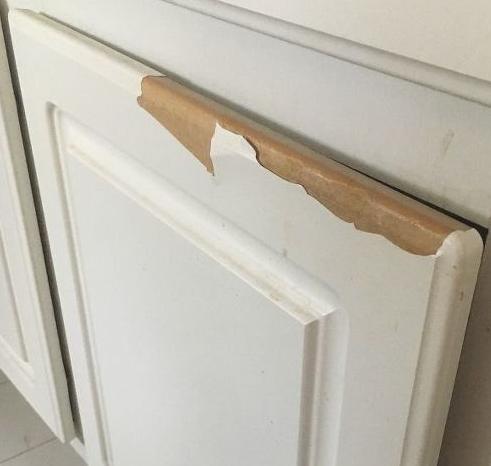
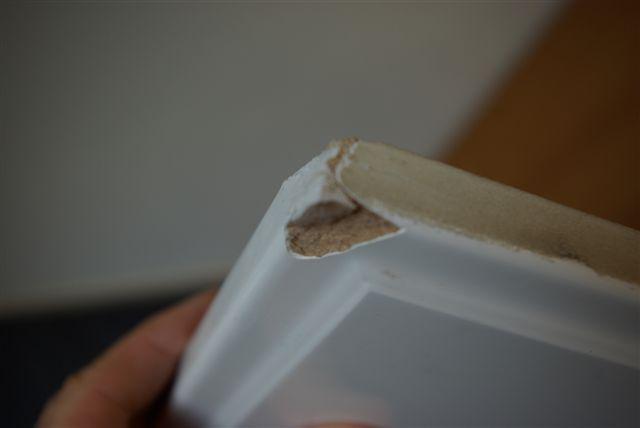
Chips may expose the underlying material, particularly around door corners and edges.
Dents
Dents can occur when objects hit the cabinet surface or when doors are knocked.
Worn edges
The edges of cupboard doors are especially vulnerable to impact and moisture.
How Are Kitchen Cabinet Scratches Repaired?
1. Assess the surface
Identify whether the cabinet is painted, laminated, veneered or solid wood.
Different finishes require different repair products.
2. Clean the affected area
Remove grease and dirt before attempting any repair. Use a product suitable for the surface.
3. Repair small chips
Depending on the material, suitable fillers or specialist repair products may improve the appearance of minor damage.
4. Prepare the surface
Some repairs require careful sanding or surface preparation before refinishing.
5. Apply a matching finish
Colour matching is important. An unsuitable paint or filler may leave a visible repair.
Can Scratched Laminate Kitchen Doors Be Repaired?
Minor scratches may sometimes be improved using compatible repair products.
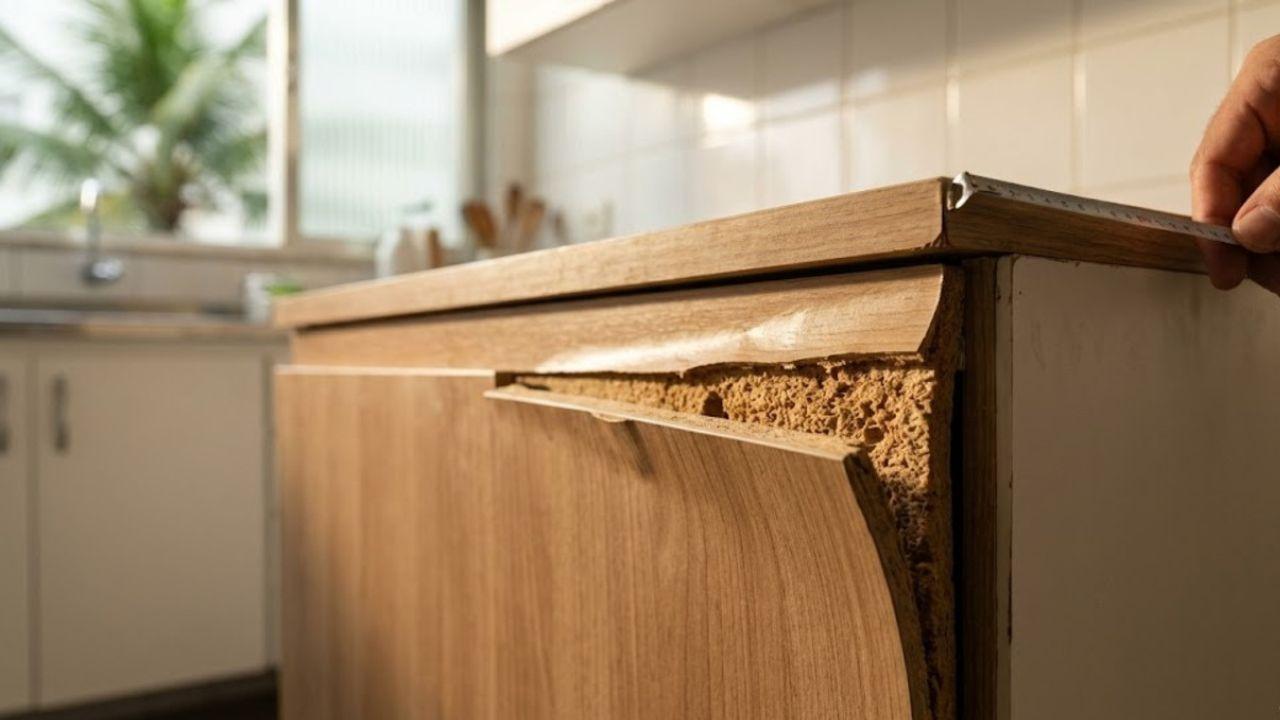
However, deep damage, missing laminate or exposed substrate can be difficult to restore invisibly.
If the decorative layer is badly damaged, replacement may be the better option.
Can You Repair Painted Kitchen Cupboards?
Yes, depending on the paint system and condition of the existing finish.
Small damaged areas may be repaired and touched up, but colour matching and blending can be challenging, especially on older painted surfaces.
How to Prevent Kitchen Cabinet Damage
- Avoid dragging heavy objects against cabinet doors.
- Use suitable cleaning cloths.
- Avoid abrasive cleaning products.
- Protect vulnerable edges.
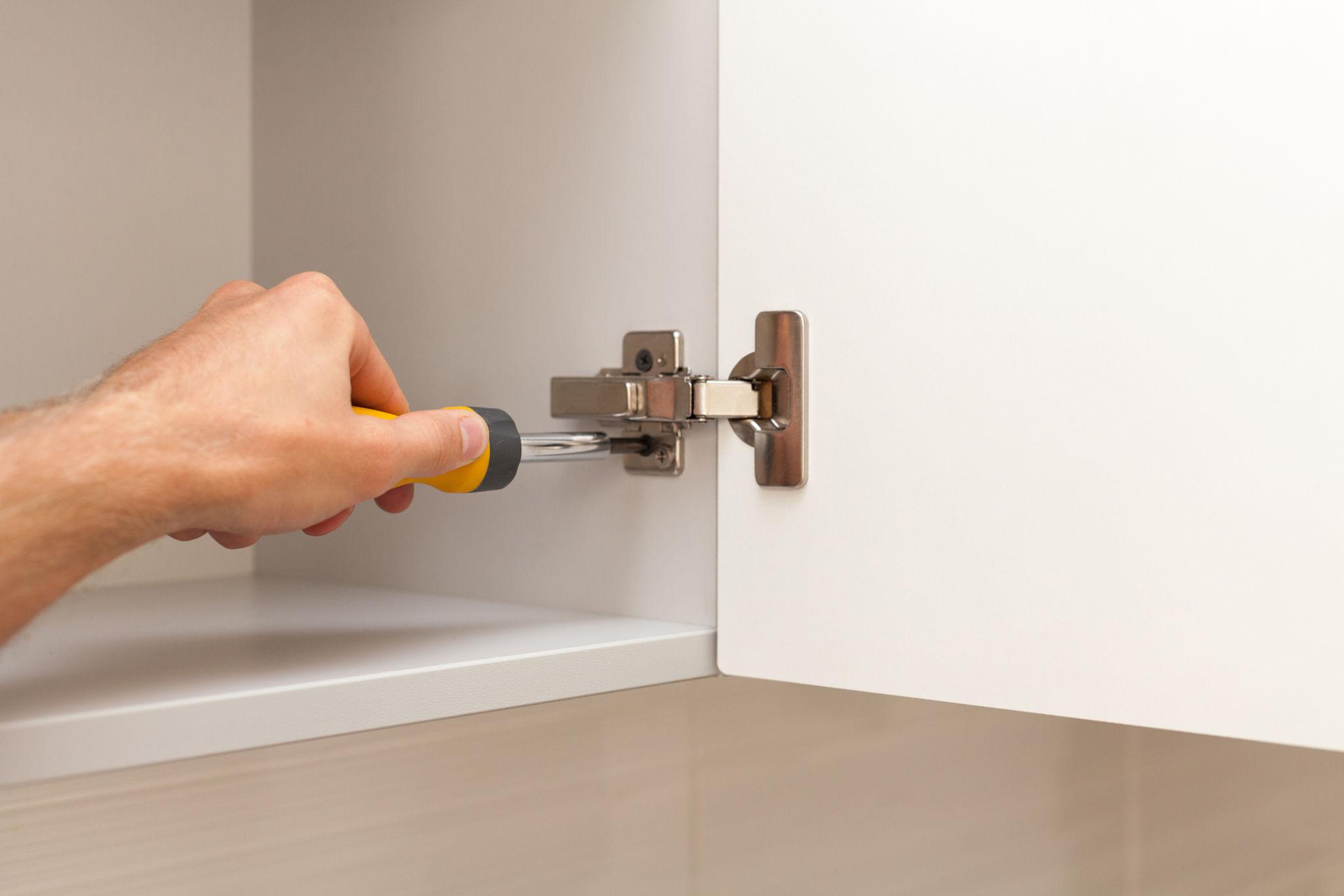
- Repair loose handles and hinges before they cause further damage.
- Use care when moving appliances.
Frequently Asked Questions
Can scratches on kitchen cupboards be removed?
Some light scratches can be improved. Deeper damage may require filling, refinishing or replacement.
Can chipped kitchen cabinet doors be repaired?
Yes, depending on the size of the chip, the door material and whether the underlying structure is damaged.
Can laminate kitchen doors be restored?
Some minor surface defects can be improved, but extensive laminate damage may require a new door or a suitable alternative finish.
Will a repair be invisible?
Not always. The final appearance depends on the material, damage and availability of matching finishes.
Should I replace a kitchen door with a deep chip?
If the door has significant structural or surface damage, replacement may provide a better finish.
Conclusion
Scratches, chips and dents do not always mean your kitchen cabinets need replacing. A careful assessment can identify which areas can be repaired and which need a new finish or component.
BuilderFix Refurb can discuss kitchen cabinet repair and refurbishment in London.
Related Services