The cabinet underneath your kitchen sink is one of the most vulnerable areas in your kitchen.
The cabinet underneath your kitchen sink is one of the most vulnerable areas in your kitchen.
It is exposed to plumbing connections, waste pipes, cleaning products and occasional water spills. Even a small leak can gradually damage the cabinet base and surrounding panels.
If you have noticed swelling, staining or a damp smell, it is important to investigate the problem before the damage becomes more extensive.
Why Does the Cabinet Under the Sink Get Damaged?
Common causes include:
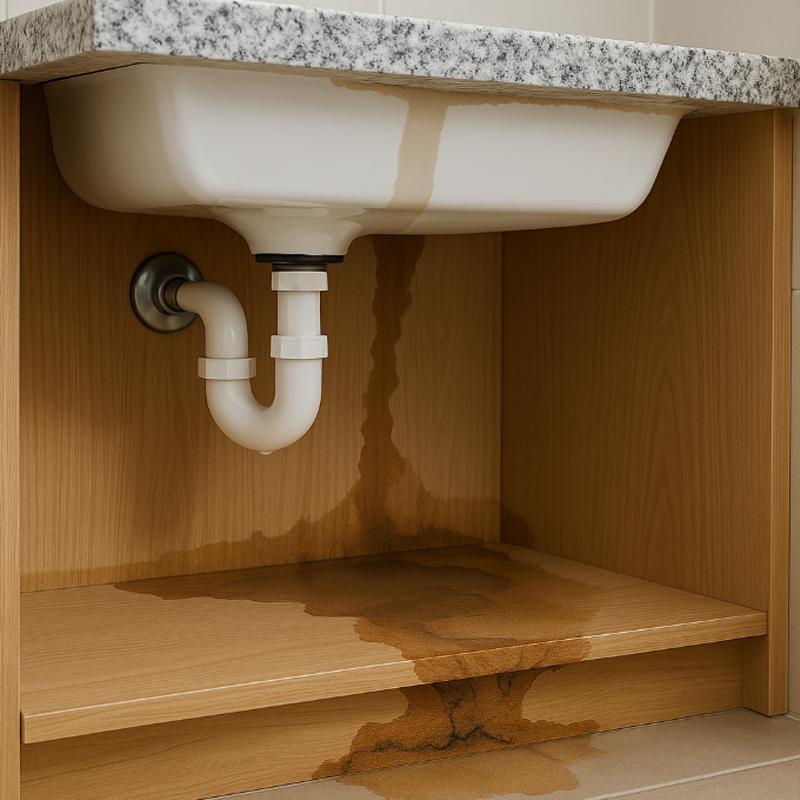
- Leaking waste pipe connections.
- Dripping water supply pipes.
- Damaged sink seals.
- Water spills during cleaning.
- Condensation.
- Leaking appliances nearby.
- Damaged cabinet edges allowing water to enter.
Signs Your Under-Sink Cabinet Needs Repair
Look for:
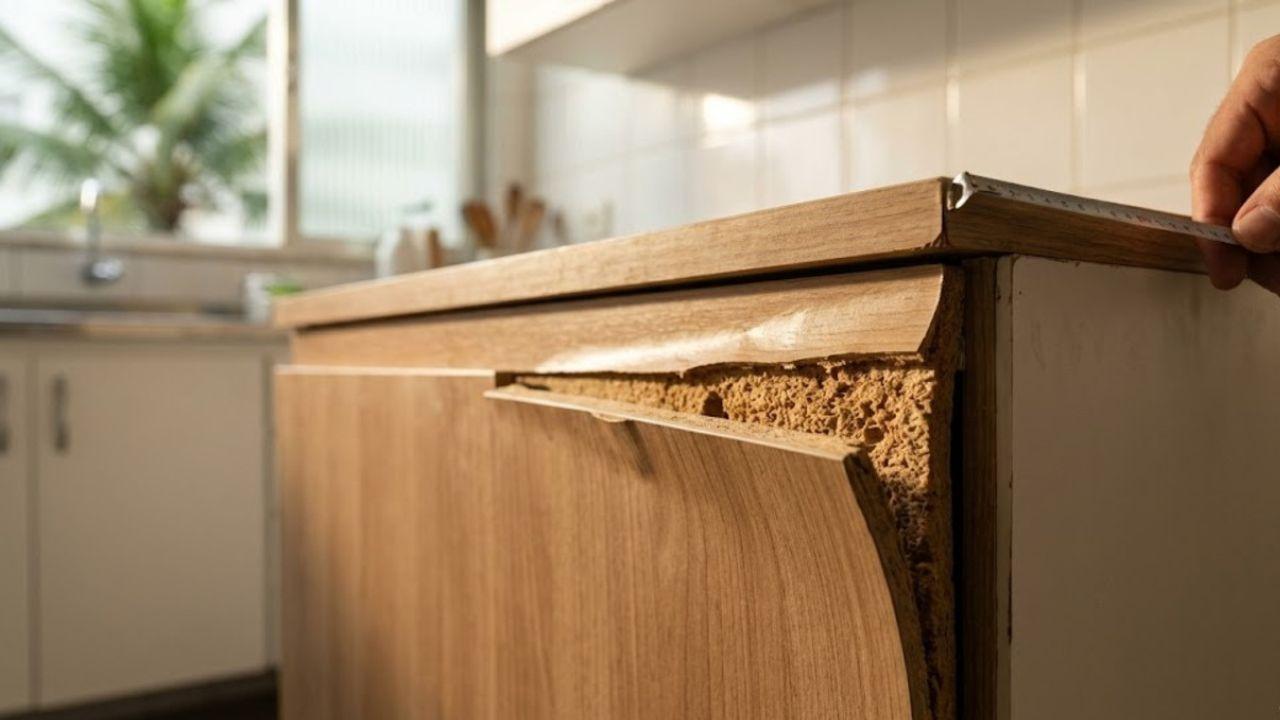
- Swollen cabinet base.
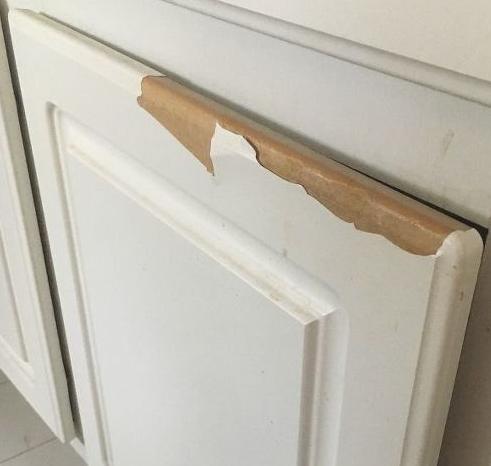
- Peeling laminate.
- Soft or crumbly chipboard.
- Water stains.
- Musty smells.
- Damaged side panels.
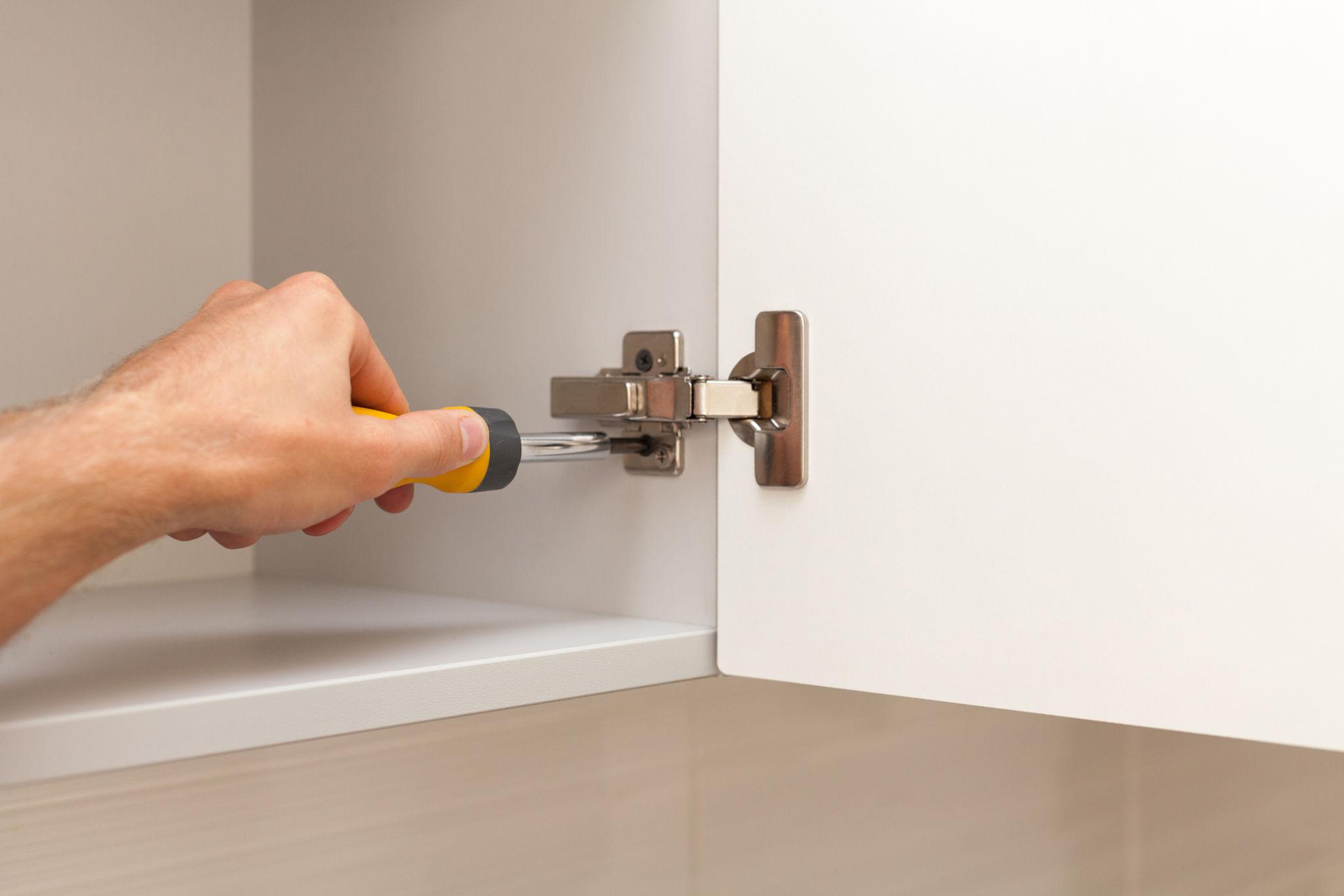
- Loose cabinet joints.
If you notice a persistent leak, address the plumbing issue first.
Can You Repair a Water-Damaged Sink Cabinet?
The answer depends on the extent of the damage.
Minor surface damage
If the material is still firm and the damage is limited to the surface, cleaning, drying and suitable refinishing may be possible.
Damaged base panels
If the cabinet base is badly affected, replacing the damaged panel may be possible depending on the cabinet construction.
Severe deterioration
If the cabinet structure has lost its strength, partial or complete unit replacement may be necessary.
What Is Involved in an Under-Sink Cabinet Repair?
A typical assessment considers:
- Identifying the source of moisture.
- Checking the condition of the cabinet base.
- Inspecting the side panels.
- Checking the surrounding joints.
- Determining whether the damaged sections can be replaced.
- Selecting suitable moisture-resistant replacement materials.
Any plumbing work should be handled by an appropriately qualified professional where required.
How to Protect Your Under-Sink Cabinet
- Check pipe connections regularly.
- Repair leaks quickly.
- Keep the cabinet clean and dry.
- Avoid storing wet cloths inside.
- Inspect the cabinet base periodically.
- Use suitable protective liners without trapping moisture.
Frequently Asked Questions
Can I replace only the bottom panel of a sink cabinet?
Sometimes. This depends on how the cabinet is constructed and whether the side panels and joints remain structurally sound.
Why does my under-sink cupboard smell damp?
Possible reasons include hidden leaks, trapped moisture or mould growth.
Can swollen chipboard be repaired?
Minor surface problems may be improved, but severely swollen chipboard generally cannot be restored to its original strength.
Should I replace the whole kitchen if the sink unit is damaged?
No. If the surrounding cabinets are in good condition, replacing or repairing only the affected unit may be sufficient.
How can I prevent future water damage?
Fix leaks promptly, keep the cabinet dry and inspect plumbing connections regularly.
Conclusion
Water damage under the kitchen sink should not be ignored. Identifying the source and assessing the cabinet structure can help prevent further deterioration.
BuilderFix Refurb can discuss kitchen cabinet refurbishment and damaged unit repair options in London.
Related Services